

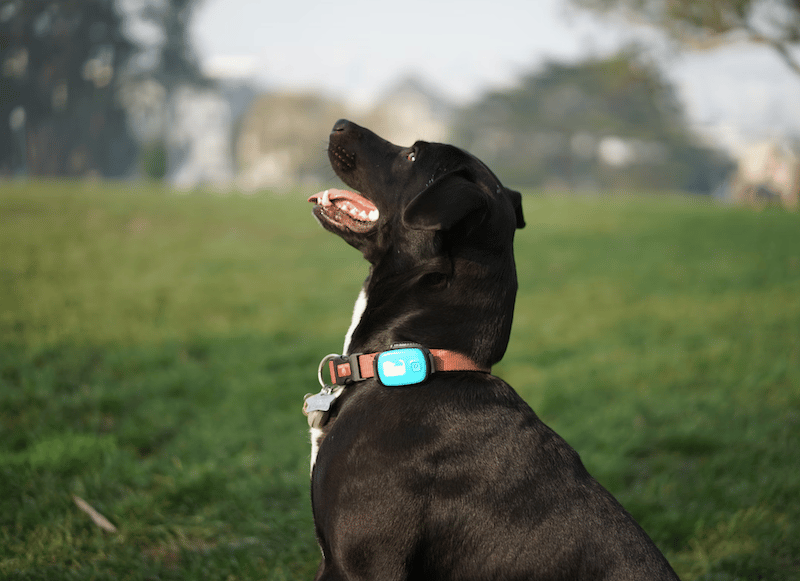
The future of pet ownership is increasingly connected. What was once limited to a leash, a food bowl and a yearly vet visit has expanded into an ecosystem of sensors, apps and intelligent devices designed to help owners understand their animals better.
Much like wearable technology for humans, pet tech is not about replacing care or instinct, but about adding context, data and early insight into a pet’s wellbeing.
Trackers and smart collars
One of the most visible shifts has been the rise of smart collars and tracking devices. These compact gadgets attach to a pet’s collar and use GPS satellites to determine location, transmitting that information through mobile networks or Bluetooth to a smartphone app.
Products such as the Tractive GPS Tracker, available in New Zealand, allow owners to check their dog’s location in near real time. Owners can also set “safe zones” and receive instant alerts if their pet leaves the area, helping prevent lost pets.
Beyond location, many smart collars include motion sensors that measure activity, rest and sleep. Accelerometers inside the device track movement patterns, which are then analysed and displayed in an app as daily activity levels or rest cycles.
Over time, this builds a behavioural baseline, allowing owners to notice subtle changes. While these tools don’t diagnose illness, they offer early signals that something may need attention.
Automated feeders and nutrition management
Feeding technology has also moved into the connected age. Smart feeders link to smartphones via Wi-Fi or Bluetooth, letting owners set schedules, adjust portion sizes and receive alerts if food runs low or meals are missed.
Devices like the PetSafe Smart Feed allow feeding routines to be managed remotely, maintaining consistency even when owners are at work or travelling. The feeder receives instructions from an app, executes them mechanically and often sends confirmation back to the phone, closing the loop between user and device.
This type of technology is particularly useful for managing weight and nutrition, which are central to long-term pet health. Owners can also use this insight alongside preventative care strategies and pet insurance support from companies like Pet-n-Sur to help ensure their pets maintain healthy routines.
Cameras and home monitoring
Connected cameras have evolved from simple webcams to fully interactive systems. Devices such as the Furbo Dog Camera connect to home Wi-Fi and stream live video directly to a smartphone app, letting owners check in on their pets from anywhere.
Many models include microphones and speakers for two-way audio, and some even allow treat dispensing remotely. Motion and sound sensors can trigger push notifications when unusual behaviour is detected, providing a layer of insight that wasn’t possible just a few years ago.
For busy households or those who travel frequently, these devices offer peace of mind and behavioural insights, helping owners identify anxiety, stress or early signs of illness.
AI, analytics and predictive insights
Behind the hardware, software is becoming just as important. Many platforms now analyse activity, feeding and sleep patterns over time, flagging anomalies that might indicate changes in health. Some systems apply machine learning to interpret behavioural signals, alerting owners to potential issues before they become emergencies.
While not a substitute for veterinary expertise, this data-driven approach supports more preventative care.
In New Zealand, pet owners can combine this technology with tools like Pet-n-Sur’s health resources and preventative coverage to create a holistic care plan that considers both everyday wellbeing and unexpected health events.
The connected future of pet care
Looking ahead, deeper integration between devices and veterinary care seems likely. Imagine collars or feeders automatically sharing relevant health and behavioural data with vets ahead of check-ups, or AI tools helping identify early signs of discomfort or illness.
Advances in sensors and analytics could also allow for better understanding of a pet’s emotional state, though ethical use of data and privacy will remain important considerations.
Pet tech is not about replacing instinct or attention. It is about enhancing it – providing owners with tools to notice what might otherwise go unseen, supporting preventative care and ultimately contributing to healthier, happier lives for pets.
For Kiwi owners, the future of pet ownership looks more connected, more informed and more responsive than ever before.