
From blockbuster launches to bedroom creators building full-scale worlds, gaming is moving faster than most brands can track. Idealog asked Logitech G to pinpoint the shifts that will shape the gaming world in 2026.
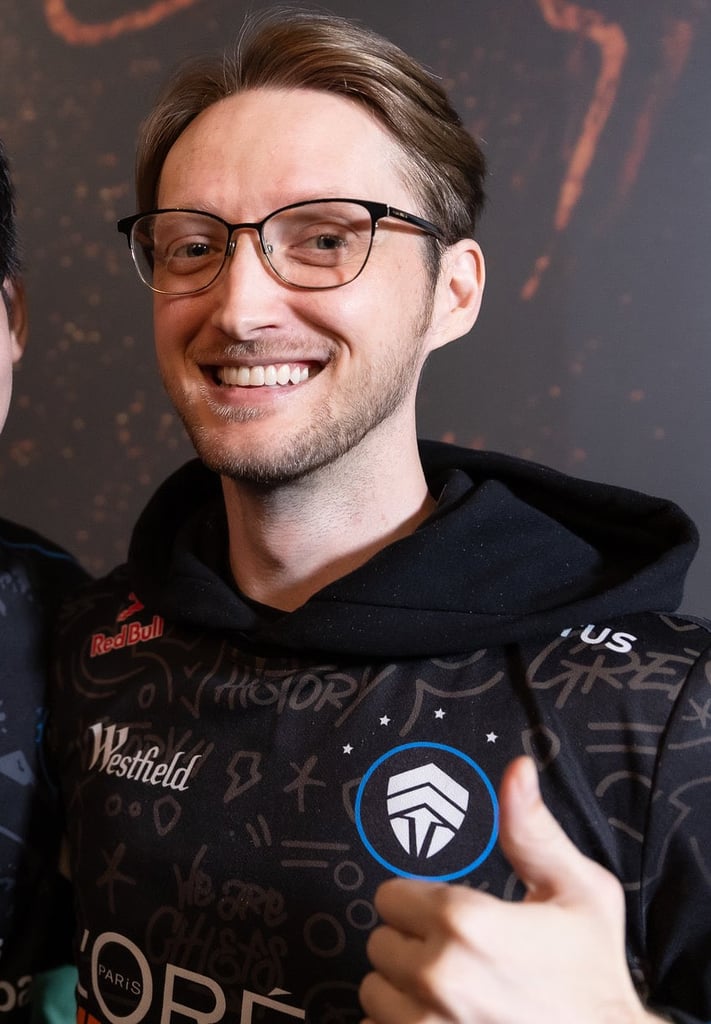
Marketing specialist Brendan Harms spent more than two years as chief operating officer at The Chiefs Esports Club. He says next year will bring a rare mix of major releases and behaviour shifts. Together, they’ll widen the definition of “gamer” and change how people discover, stick with and talk about the games they love.
1. 2026 is a blockbuster year
On paper, 2026 reads like a greatest hits calendar, with major releases stacked in a way the industry rarely sees. The centrepiece is Grand Theft Auto VI in November, which is already tipped to be one of the biggest entertainment launches in history, backed by heavy hitters including the Fable reboot, 007 First Light, Resident Evil: Requiem and Nintendo Switch 2’s first full year of exclusives and next-gen takes on familiar franchises.
The bigger point for brands is what that does to behaviour. Blockbusters don’t just drive sales, they make gaming the shared reference point across chats, feeds, workplaces and schools, lifting everything around it – streaming, creators, esports, accessories and second-screen content.
2. Cross-generational gaming is now the norm
For a long time, gaming was treated as something people “grew out of”. That line no longer holds. There has been a steady rise in older audiences who play regularly, with 40% of Baby Boomer gamers and 50% of Gen X gamers clocking five or more hours a week.
The bigger shift, though, is what’s happening at home. More than half of gaming parents are introducing their kids to gaming. Nearly half say their children start playing by age five. Titles like Minecraft and Roblox are often the on-ramp, which means the next cohort is growing up fluent in play, chat, creativity and shared online spaces from day one. 2026 is all about pushing gaming into “everyday” territory, so it’s less of a subculture and more of a common language across ages, households and friend groups.
Source: BCG’s video gaming report ‘How platforms are colliding and why this will spark the next era of growth’
3. Players becoming creators will keep reshaping what gaming looks like
The creator economy isn’t sitting alongside gaming any more. In many places, it is gaming. Players don’t just consume content, they build it, remix it, and share it at scale, often inside the platforms themselves.
Roblox is the clearest example. In 2025, 1.6 million monetised creators built more than 100 million unique experiences. Fortnite and Roblox are also paying out serious money, with a combined $1.5 billion going to creators in 2025 alone. That’s turning what used to be a hobby into a career path, and shifting how new games gain traction.
Another key behavioural signal: 40% of gamers say they’re consuming more user-generated content than a year ago. Meanwhile, 55% say they’d try a new game if their favourite creator switched to it. In 2026, discovery and loyalty will keep flowing through creator-led communities.
Source: BCG’s video gaming report ‘How platforms are colliding and why this will spark the next era of growth’
4. Cosy gaming is expanding what quality means
Cosy games have moved from niche to mainstream, and they’re changing the definition of what a “good game” is meant to deliver. Think low-stakes, comfort-first play, usually centred on building, decorating, crafting, collecting or community, with gentle progression rather than high-pressure competition. Titles like Stardew Valley and Animal Crossing continue to pull audiences – see also the rise of newer, community-driven examples like Roblox’s Grow a Garden, which hit 16 million concurrent players in 2025.
Part of the momentum is emotional. Over half of gamers now play specifically to unwind and relieve stress, which positions gaming less as adrenaline and more as decompression. In that context, slower pacing, gentle progress and low-stakes social play start to feel like a feature, not a compromise.
It is expected that this will cement further in 2026 as major franchises lean into this trending format. The aesthetic and tone of cosy gaming is also being amplified by female-led creator culture, particularly Gen Z women shaping what trends on TikTok and YouTube.
Sources: BCG’s video gaming report ‘How platforms are colliding and why this will spark the next era of growth‘, Screenshot Media ‘The cozy gaming trend is empowering women to dominate space in a male-centred industry‘
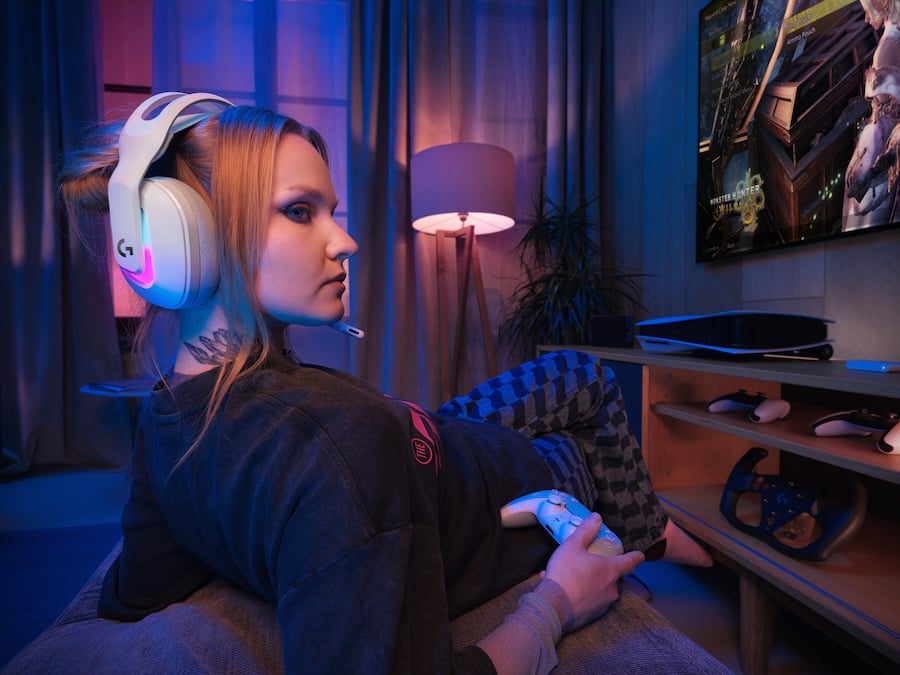

5. The live-service loyalty shift will deepen
2026 will continue to reward games that feel like ongoing places, not one-off products. Younger generations are already leaning toward live-service titles over single-player, and subscriptions over individual purchases. The appeal is simple, persistent progression, frequent updates, social energy and a sense of belonging that grows over time.
That’s why battle royales, arena shooters and sandbox experiences continue to dominate demand. They’re built for repeat play and shared moments, and the community becomes part of the game’s value. Harms points to titles like Arc Raiders and Battlefield 6 as signals of appetite for immersive multiplayer experiences without needing extra gimmicks.
The flip side is that loyalty is concentrating. Players are staying with their favourites for years rather than automatically moving with annual sequel cycles, and some big legacy releases are feeling that pressure. In 2026, expect fewer “everybody moves at once” moments, and more long-running ecosystems fighting to keep their players invested.