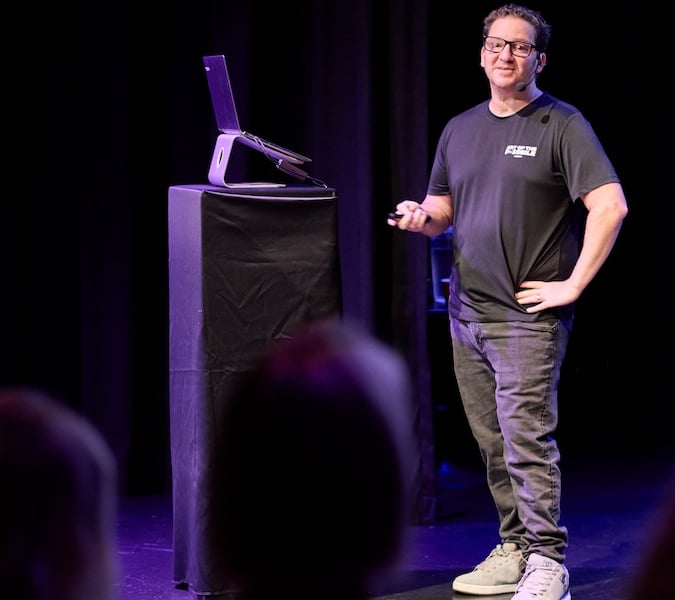


Above: MYOB chief customer officer Dean Chadwick.
A new poll shows more than a third of New Zealand SMEs plan to grow in 2026, prioritising training, diversification and new technology.
Commissioned by MYOB, the nationwide survey of more than 500 SME owners and decision makers found that 10% had already started or firmed up their plans for investment in business growth at the end of last year.
A further 24% said they were ‘highly likely’ to invest in growing and developing their business this year, 30% were ‘somewhat likely,’ and only 10% said they were unlikely to do so.
Pair growth ambitions with technology solutions
To drive growth in 2026, SMEs are boosting team training (25%), product or service diversification (24%), new technology or digital tools (22%), hiring staff (18%) and new plant or machinery (15%).
MYOB chief customer officer Dean Chadwick says: “These findings are a positive indicator for the SME community, and the wider local economy, with improving economic signals giving more businesses greater confidence to spend on improving and growing their operations this year.
“Our insights also show that many SMEs are pairing their growth ambitions with practical technology solutions – prioritising the adoption and use of digital tools that can help them work more efficiently and effectively.
“Automating business processes, AI, e-commerce and customer and digital marketing platforms are set to lead the charge in 2026, as the focus for business owners remains firmly fixed on increasing revenue and profitability,” Chadwick adds.
Less red tape, more investment
In addition to their own growth strategies, local SME operators are also looking at how government policy could support them.
Almost 38% of decision makers plan to use the Investment Boost, introduced in Budget 2025, which allows businesses to expense 20% of a new asset, to recoup eligible investment costs.
However, red tape and regulations remain a barrier to SME’s growth in 2026.
When asked whether their industry would benefit from a review of regulation, more than a third of SME owners (35%) said yes. Around a quarter (27%) said maybe, 10% were unsure, and another 27% said no, feeling their sector would not benefit.
“SMEs are clearly prepared to invest in their people, technology and operations, but many are also saying the system could work better for them,” says Chadwick. “Confidence is improving and the appetite to invest is there, but removing unnecessary red tape could help their investment go even further.”